Our Elderberries
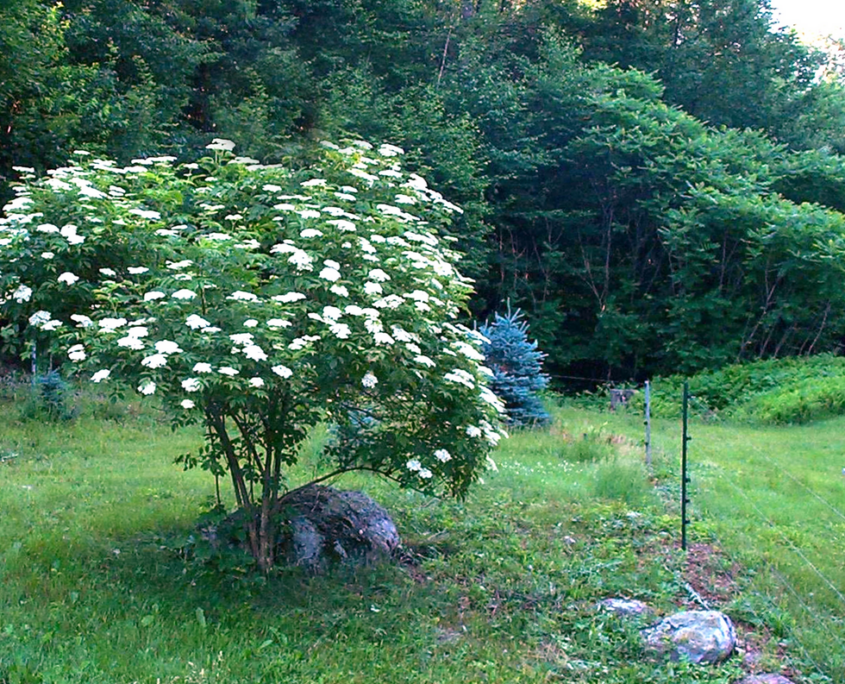
The Elderberry (Sambucus canadensis) is a medium-sized shrub, known for its large clusters of tiny white flowers that bloom in early summer. This hardy plant is well-adapted to avoid frost damage, a common issue for many fruit-bearing plants, ensuring a reliable harvest.
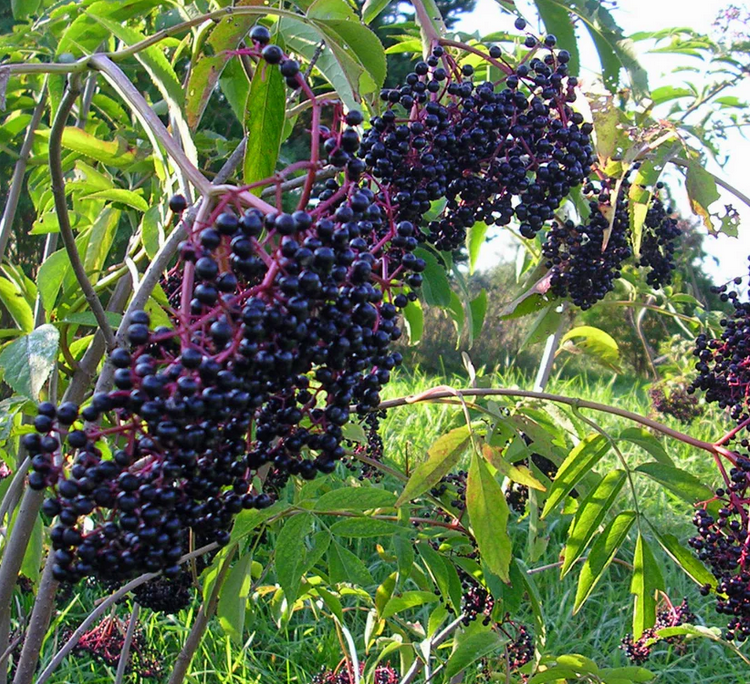
Following the flowering period, elderberry produces dark purple berries that are not only visually striking but also packed with antioxidants, particularly anthocyanins, which give the berries their rich color and contribute to their health benefits.
Elderberries thrive in riparian areas and mesic forest-edge habitats, making them an excellent choice for natural landscaping and agroforestry systems. They can play a vital role in supporting local ecosystems while providing delicious and nutritious fruits.
There are many reported benefits of elderberries. Not only are they nutritious, but they may also help address cold and flu symptoms, support heart health, and fight inflammation and infections, among other benefits.
Elderberry is one of the most commonly used medicinal plants in the world. It is most often taken as a supplement to treat cold and flu symptoms. However, the raw berries, bark, and leaves are poisonous.
In folk medicine, the dried berries or juice are used to treat influenza, infections, sciatica, headaches, dental pain, heart pain, and nerve pain, as well as a laxative and diuretic
Growing Details
This plant has a 5 year sasan until fully grown, and takes up the same size of a Pomegranate tree
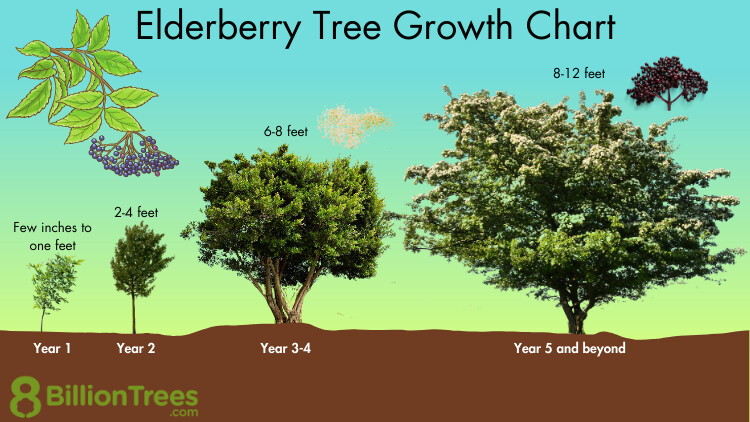
Growing Conditions:
- Sun Requirement: Prefers full sun to partial shade; optimal flowering and fruit production occur in sunny locations.
- Water Requirement: Moderate water needs; appreciates consistent moisture, particularly in riparian zones.
- Hardiness Zone: Zones 3-9.
- Soil Preference: Thrives in rich, well-drained soils but can adapt to various soil types.